Starting and running a small business involves many responsibilities. Business owners have to manage employees, customers, finances, equipment, suppliers, property, contracts, and daily operations. While careful planning can reduce many risks, unexpected events can still cause financial losses.
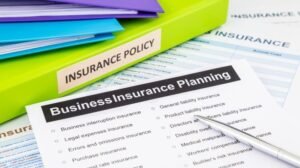
Small business insurance can help protect a company against certain risks by transferring some financial responsibility to an insurance provider. Depending on the policies purchased, coverage may help with property damage, liability claims, employee-related risks, business interruptions, professional mistakes, vehicles, and other situations.
Choosing business insurance can be confusing for beginners because there are many different types of coverage. Not every business needs every policy. The right combination depends on the type of business, location, number of employees, customers, assets, contracts, and risks involved.
This guide explains the basics of small business insurance and the important factors new business owners should consider.
What Is Small Business Insurance?
Small business insurance refers to insurance coverage designed to protect businesses from specific financial risks.
Instead of paying the full cost of certain covered losses from business funds, an insurance policy may pay eligible expenses according to its terms, limits, exclusions, and deductibles.
Business insurance can potentially cover risks involving:
- Property damage
- Customer injuries
- Legal claims
- Professional errors
- Employee-related incidents
- Business vehicles
- Cyber incidents
- Business interruption
- Equipment damage
The exact protection depends on the policies purchased.
Why Small Businesses Need Insurance
A single unexpected event can create significant financial pressure for a small business.
For example, a customer could become injured on business premises. A fire could damage equipment. A cyber incident could disrupt operations. A professional mistake could result in a legal claim.
Without appropriate insurance, the business may have to pay eligible costs directly from its own resources.
Insurance can provide a financial safety net against certain covered risks.
It can also help demonstrate credibility when customers, landlords, lenders, or business partners require proof of insurance.
Assess Your Business Risks First
Before purchasing insurance, identify the risks your business faces.
A retail store may need coverage for property damage and customer injuries.
A consulting company may be more concerned about professional liability.
A construction company may have significant equipment, employee, vehicle, and job-site risks.
An online business may need stronger attention to cyber risks and data protection.
Start by asking:
- What could cause a major financial loss?
- What property does the business own?
- Could a customer be injured?
- Do employees work for the company?
- Does the business use vehicles?
- Does the company provide professional advice?
- Does the business store customer information?
- Could operations stop after property damage?
The answers can help identify suitable coverage.
General Liability Insurance
General liability insurance is one of the most common forms of business insurance.
It may provide protection against certain third-party claims involving bodily injury, property damage, or related liabilities.
For example, a customer might slip and fall at a business location and make a claim for medical expenses or other damages.
A general liability policy may cover eligible legal defense costs and damages according to the policy terms.
However, it does not cover every type of business risk.
Commercial Property Insurance
Commercial property insurance can help protect business property from certain covered events.
Depending on the policy, covered property may include:
- Buildings
- Furniture
- Computers
- Machinery
- Inventory
- Equipment
- Business contents
If a covered event damages business property, the insurer may pay eligible repair or replacement costs subject to the policy’s terms, limits, and deductible.
Business owners should accurately estimate the value of their property when purchasing coverage.
Business Owner’s Policy
Some small businesses may consider a Business Owner’s Policy, commonly called a BOP.
A BOP may combine certain types of business insurance into one package.
Depending on the insurer and policy, it may combine general liability and commercial property coverage.
A bundled policy can sometimes simplify insurance management and may be more convenient than purchasing separate policies.
However, a BOP does not automatically cover every business risk.
Additional policies or endorsements may still be necessary.
Professional Liability Insurance
Professional liability insurance can be important for businesses that provide advice, professional services, or expertise.
It may help protect against certain claims alleging errors, omissions, negligence, or failure to deliver professional services as expected.
Businesses such as consultants, accountants, designers, technology professionals, and other service providers may consider this type of coverage.
The exact coverage depends on the profession and policy.
Workers’ Compensation Insurance
Businesses with employees may have legal obligations regarding workers’ compensation insurance depending on their location and business structure.
Workers’ compensation can provide benefits for eligible work-related injuries or illnesses.
Requirements vary by jurisdiction.
Business owners should understand local legal requirements before hiring employees.
Failing to comply with applicable insurance requirements can result in penalties and financial exposure.
Commercial Auto Insurance
If a business owns or uses vehicles for business activities, personal auto insurance may not provide adequate coverage.
Commercial auto insurance is designed for business-related vehicle risks.
It may cover eligible vehicles and drivers used for business purposes, depending on the policy.
Examples may include delivery vehicles, company cars, vans, trucks, and other business vehicles.
Review your vehicle usage with the insurer to ensure the policy matches actual business activities.
Cyber Insurance
Modern businesses increasingly rely on computers, cloud services, websites, payment systems, and customer data.
Cyber insurance may help address certain financial losses resulting from covered cyber incidents.
Depending on the policy, coverage may involve data breaches, cyber extortion, notification expenses, recovery costs, business interruption, or liability claims.
Coverage varies widely.
Businesses that store sensitive customer information or depend heavily on digital systems should carefully evaluate their cyber risks.
Business Interruption Insurance
A major event can sometimes prevent a business from operating normally.
For example, a fire or other covered event may damage the business premises and force temporary closure.
Business interruption coverage may help replace certain lost income or cover eligible continuing expenses when operations are interrupted by a covered event.
The policy will specify what events qualify, how losses are calculated, and how long benefits may apply.
Product Liability Insurance
Businesses that manufacture, distribute, or sell products may face product-related claims.
Product liability insurance can provide protection against certain claims alleging that a product caused injury or property damage.
The need for this coverage depends on the type of products sold and the business’s role in the supply chain.
Businesses should review product risks carefully with an insurance professional.
Employment Practices Liability Insurance
Businesses with employees may face claims involving workplace practices.
Employment practices liability insurance, often called EPLI, can cover certain claims related to allegations such as discrimination, harassment, wrongful termination, or other employment-related issues, depending on the policy.
Employment laws can be complex, so businesses should consider both insurance protection and strong workplace policies.
Commercial Umbrella Insurance
A commercial umbrella policy can provide additional liability limits above certain underlying insurance policies.
It may be useful for businesses that face significant liability exposure.
For example, a business with substantial customer traffic or valuable contracts may want additional protection beyond its standard liability limits.
Umbrella insurance has specific conditions and may require underlying policies to have certain limits.
Insurance for Business Equipment
Equipment can be essential to daily operations.
A restaurant may depend on commercial kitchen equipment. A construction company may rely on machinery. An office may depend on computers and communication systems.
Equipment-related coverage can help protect against certain covered losses.
Determine which equipment is essential and estimate the cost of repair or replacement.
Protecting Business Inventory
Businesses that maintain inventory should consider how inventory would be affected by theft, fire, water damage, or other covered events.
Inventory coverage may be part of a commercial property policy or another arrangement.
Keep accurate records of inventory values.
Underestimating inventory can create a coverage gap after a major loss.
Understand Insurance Deductibles
A deductible is the amount the business may have to pay before the insurer pays covered expenses.
For example, if a covered claim has a $2,000 deductible, the business may be responsible for the first $2,000 of eligible loss before insurance responds according to the policy.
Higher deductibles may reduce premiums, but they also increase the amount the business must pay after a claim.
Choose a deductible that the business can realistically afford.
Understand Policy Limits
Insurance policies have limits that determine the maximum amount the insurer may pay for covered losses.
Do not assume that having insurance means every possible loss is fully covered.
Review both per-occurrence and aggregate limits where applicable.
Your business’s size, revenue, assets, customer exposure, and contractual obligations can help determine appropriate limits.
Review Exclusions
Exclusions are situations or losses that the policy does not cover.
They are extremely important.
Read the policy documents and identify major exclusions.
For example, a standard business policy may not automatically cover certain cyber risks, professional errors, floods, earthquakes, or other specialized risks.
If a particular risk is important to your business, ask whether separate coverage or an endorsement is available.
Keep Accurate Business Records
Good records can make insurance management easier.
Keep records of:
- Business property
- Equipment
- Inventory
- Receipts
- Contracts
- Employee information
- Insurance policies
- Claims
- Business income
- Safety procedures
Accurate documentation can help demonstrate the value of property and financial losses when making a claim.
Review Insurance Contracts
Some customers, landlords, vendors, lenders, or business partners may require specific insurance coverage.
For example, a commercial lease may require liability coverage.
A client contract may require proof of professional liability insurance.
Review contractual requirements before purchasing policies so your coverage matches your obligations.
Compare Insurance Providers
Insurance providers can offer different policy terms, premiums, limits, and service options.
Do not automatically choose the first quote.
Compare several options and make sure you are comparing similar coverage.
A lower premium may come with lower limits, higher deductibles, or narrower coverage.
Look at the complete policy rather than price alone.
Work With an Insurance Professional
Business insurance can become complicated as a company grows.
An experienced insurance professional can help identify risks and explain available coverage options.
Provide accurate information about your business operations.
Tell the insurer what products you sell, what services you provide, how many employees you have, what property you own, and how you use vehicles.
Accurate information helps the insurer recommend appropriate coverage.
Review Your Insurance Every Year
Your business may change significantly from one year to another.
You may hire more employees, purchase equipment, increase inventory, add locations, expand services, or increase revenue.
These changes can affect your insurance needs.
Review your policies at least periodically and whenever there is a major change in business operations.
Common Small Business Insurance Mistakes
Beginners often make several mistakes.
They may purchase only the cheapest policy, ignore important exclusions, underestimate property values, or forget to update coverage after business growth.
Some businesses also fail to obtain required employee-related coverage.
Another mistake is assuming that one general liability policy covers every business risk.
Insurance should be based on the actual operations and risks of the business.
Final Thoughts
Small business insurance can help protect a company against certain financial risks, but there is no single policy that covers every business.
The right insurance strategy begins with understanding your business operations and identifying the risks that could cause significant financial damage.
Depending on the business, useful coverage may include general liability, commercial property, professional liability, workers’ compensation, commercial auto, cyber insurance, business interruption, product liability, and other specialized policies.
Pay attention to premiums, deductibles, policy limits, exclusions, provider requirements, and contractual obligations.
Most importantly, review your insurance as your business grows. New employees, equipment, products, locations, customers, and services can create new risks.
For beginners, the best approach is to avoid choosing insurance based solely on price. Instead, focus on appropriate protection, understand the policy terms, maintain accurate records, and regularly review coverage with a qualified insurance professional.