




Life insurance can provide important financial protection for families, dependents, business owners, and other beneficiaries. However, purchasing the right policy requires more than simply selecting a coverage amount and paying the premium.
Many people make mistakes because they do not fully understand policy terms, coverage requirements, exclusions, beneficiaries, or long-term costs. Some purchase too little coverage, while others pay for more insurance than they actually need. Others fail to review their policies after major life changes.
Avoiding common mistakes can help you choose coverage that better matches your financial responsibilities and long-term goals.
Choosing the Cheapest Policy
One of the most common life insurance mistakes is choosing a policy based only on price.
A low premium can be attractive, but price does not tell you everything about a policy.
Two policies may have similar premiums but different coverage periods, benefits, exclusions, riders, conversion options, or other terms.
Before choosing a policy, compare the complete coverage rather than simply selecting the cheapest quote.
The goal should be finding appropriate financial protection at a premium you can maintain.
Buying Too Little Coverage
Another common mistake is purchasing insufficient coverage.
Some people choose a small policy because they want to keep premiums low. However, a death benefit that only covers funeral expenses may not provide enough financial support for a family.
Consider:
- Mortgage debt
- Personal loans
- Household expenses
- Education costs
- Income replacement
- Childcare
- Final expenses
- Business obligations
Your coverage should reflect the financial responsibilities your beneficiaries may face.
Buying More Coverage Than You Need
Underinsurance is a problem, but excessive insurance can also be inefficient.
A very large policy may create premiums that are unnecessarily difficult to maintain.
Instead of automatically choosing the highest available coverage, calculate your financial needs.
Consider your income, debts, savings, investments, dependents, and existing insurance.
The goal is to find a reasonable balance between protection and affordability.
Ignoring the Policy Term
When buying term life insurance, the length of the policy matters.
Some people choose a term without considering how long their financial responsibilities will continue.
For example, if you have young children, a short policy may expire while they are still financially dependent on you.
If you have a mortgage or other long-term obligations, the policy duration should be considered alongside those responsibilities.
Choose a term that matches your expected financial needs where possible.
Failing To Consider Future Expenses
Life insurance planning should not focus only on today’s expenses.
Your beneficiaries may face future costs such as education, housing, childcare, retirement needs, or debt payments.
Consider how your financial responsibilities may develop over the policy period.
For families with young children, future education expenses can be particularly important.
Relying Entirely on Employer Insurance
Employer-provided life insurance can be useful, but relying entirely on it can create risks.
Workplace coverage may be limited compared with your actual financial needs.
In addition, coverage may be connected to your employment and may change if you leave the company.
Review the terms of employer-provided insurance and determine whether you need additional personal coverage.
Not Reviewing Existing Policies
Some people purchase new insurance without reviewing what they already have.
You may already have coverage through an employer, previous insurance purchase, professional association, or another source.
Before buying a new policy, calculate your total existing coverage.
This helps prevent unnecessary duplication while ensuring that your beneficiaries have enough protection.
Choosing the Wrong Policy Type
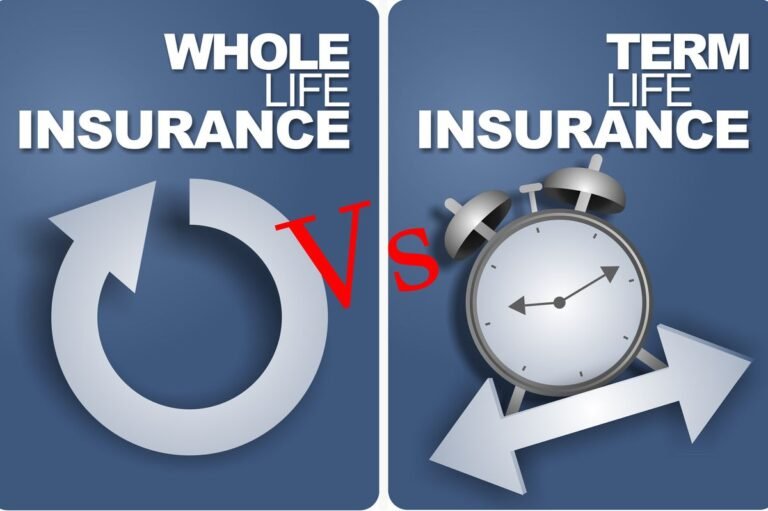
Term life and permanent life insurance serve different purposes.
Term life insurance generally provides coverage for a specific period.
Whole life insurance is designed to provide permanent coverage and generally includes a cash value component.
Choosing a permanent policy when you only need temporary income protection may result in higher premiums than necessary.
On the other hand, choosing term insurance may not meet a person’s long-term need for permanent coverage.
Understand your financial objective before selecting the policy type.
Not Understanding Premiums
Life insurance premiums can vary based on age, health, coverage amount, policy type, term length, lifestyle, and other underwriting factors.
Do not assume that the first quoted premium will remain unchanged forever.
Check whether premiums are guaranteed, renewable, or subject to change according to the policy terms.
Understanding how premiums work can help you avoid financial surprises.
Ignoring Policy Exclusions
Every life insurance policy contains terms describing circumstances that may affect coverage.
Read the exclusions carefully.
Do not rely solely on a sales representative’s verbal explanation.
The policy contract is the key document that defines coverage.
If you do not understand an exclusion, ask the insurer for clarification before purchasing the policy.
Giving Inaccurate Information
Providing inaccurate information during a life insurance application can create serious problems.
Health history, tobacco use, occupation, lifestyle, and other information may be relevant to underwriting.
Never deliberately hide information to obtain a lower premium.
If the insurer discovers inaccurate information later, it may affect the policy or claim according to the contract and applicable law.
Always answer application questions honestly and carefully.
Forgetting To Name Beneficiaries
A life insurance policy needs appropriate beneficiaries.
Beneficiaries are the people or entities designated to receive the death benefit according to the policy.
Failing to name beneficiaries or failing to update them after major life events can create unnecessary complications.
Review beneficiary designations periodically.
Make sure the information is accurate and reflects your current wishes.
Not Updating Beneficiaries
Naming beneficiaries is not a one-time task.
Marriage, divorce, births, deaths, and other major family changes can affect your beneficiary choices.
For example, a person who gets married may want to update an existing policy.
Similarly, after a divorce or the death of a beneficiary, policy records should be reviewed.
Follow the insurer’s procedures for making beneficiary changes.
Ignoring Inflation
Inflation can reduce the purchasing power of money over time.
A death benefit that seems large today may provide less financial support in the future.
When purchasing long-term life insurance, consider how future expenses could change.
This is particularly important when estimating income replacement and education costs.
Forgetting About Debt
Debt is another frequently overlooked part of life insurance planning.
If you have a mortgage, personal loans, credit cards, business debt, or other obligations, consider how these liabilities could affect your family.
If debts are not handled through other assets or arrangements, your beneficiaries may face financial pressure.
Include major obligations when estimating the appropriate death benefit.
Not Considering Childcare Costs
Parents sometimes calculate lost income but forget the value of unpaid household work.
If one parent dies, the surviving parent may need to pay for childcare, transportation, housekeeping, or other services.
These expenses can continue for many years.
Consider the cost of replacing important household responsibilities when calculating insurance needs.
Ignoring Business Responsibilities
Business owners may need life insurance for reasons beyond personal family protection.
A business may depend on an owner’s income, expertise, or financial contribution.
Life insurance may be considered as part of business continuity planning, debt protection, or agreements between business partners.
Business owners should evaluate personal and business insurance needs separately.
Failing To Review the Policy
Your life insurance needs can change.
Major events such as marriage, childbirth, home purchases, career changes, business ownership, debt repayment, or retirement can affect the amount of coverage you need.
Review your policy regularly.
Do not assume that a policy purchased years ago is still appropriate today.
Choosing a Policy You Cannot Afford
A life insurance policy only provides protection while it remains active.
If premiums become unaffordable and the policy lapses, your family may lose the expected protection.
Before purchasing coverage, make sure the premium fits comfortably within your long-term budget.
Do not stretch your finances simply to purchase a larger policy.
Not Comparing Insurance Companies
Insurance companies can offer different prices and policy features for similar coverage.
Underwriting standards vary.
One insurer may offer more competitive pricing for a particular health profile, while another may provide better features or service.
Comparing multiple insurers can help you identify a policy that offers appropriate value.
Focusing Only on the Death Benefit
The death benefit is important, but it is not the only feature to consider.
Review:
- Policy duration
- Premium structure
- Renewal options
- Conversion options
- Riders
- Exclusions
- Cash value
- Guarantees
- Claim procedures
A broader review can help you understand the policy more completely.
Adding Unnecessary Riders
Life insurance riders can provide additional benefits, but they may also increase premiums.
Do not automatically add every available rider.
Instead, consider whether a particular rider addresses a real financial risk.
Understand its cost, benefits, limitations, and conditions before adding it.
Not Understanding Cash Value
Permanent life insurance policies may include cash value.
Some policyholders assume cash value is the same as a regular savings account.
It is not.
Cash value can have specific growth rules, fees, tax considerations, loan provisions, and surrender conditions.
Before using cash value, understand how the transaction may affect your policy and death benefit.
Ignoring Conversion Options
Some term life insurance policies include conversion options that allow the policyholder to convert eligible coverage into permanent insurance.
These options can be useful if your financial needs change.
However, conversion rules vary by policy.
Check whether conversion is available, when it must occur, and which policies are eligible.
Not Reading the Contract
One of the biggest mistakes is failing to read the actual policy documents.
Marketing materials can provide a general overview, but the contract contains the detailed terms.
Review the policy carefully.
Look for coverage conditions, exclusions, premium requirements, renewal provisions, beneficiary rules, and other important details.
If something is unclear, ask questions before accepting the policy.
Delaying Life Insurance Too Long
Some people wait until they have significant financial responsibilities before considering life insurance.
Waiting can sometimes result in higher premiums because age is an important underwriting factor.
Health changes can also affect eligibility and pricing.
If you already have dependents or significant financial responsibilities, evaluate your insurance needs rather than automatically postponing the decision.
Assuming Life Insurance Is Only for Parents
Parents often have significant life insurance needs, but they are not the only people who may benefit from coverage.
A spouse without children may still contribute financially to a household.
Business owners may need coverage for business obligations.
A person with significant debts may also want financial protection for beneficiaries.
Consider the financial impact of your death rather than focusing only on family status.
Forgetting To Tell Beneficiaries About the Policy
Your beneficiaries should generally know that a life insurance policy exists and understand where relevant documents can be found.
If beneficiaries do not know about the policy, claiming the benefit may become more complicated.
Keep policy documents organized and communicate important information to trusted family members where appropriate.
Failing To Review Policy Statements
For permanent insurance, policy statements may provide information about premiums, cash value, benefits, and other details.
Review these documents carefully.
If something looks different from what you expected, contact the insurer and request clarification.
Early attention can help identify problems before they become serious.
Common Mistakes Checklist
Before finalizing a life insurance policy, ask yourself:
- Is the coverage amount sufficient?
- Can I comfortably afford the premium?
- Is the policy term long enough?
- Have I compared different insurers?
- Do I understand the exclusions?
- Have I provided accurate information?
- Are my beneficiaries correct?
- Have I included debts in my calculation?
- Have I considered future expenses?
- Do I understand the policy type?
- Do I understand any riders?
- Have I reviewed the complete contract?
Answering these questions can help reduce common mistakes.
Final Thoughts
Life insurance can be an important part of financial planning, but choosing the wrong policy can reduce its value.
Common mistakes include buying too little coverage, purchasing more than necessary, choosing the wrong policy type, ignoring exclusions, relying entirely on employer insurance, failing to update beneficiaries, and not reviewing the policy over time.
The best approach is to calculate your actual financial needs, compare multiple policies, understand the terms, and choose coverage that you can maintain.
Life insurance should provide financial protection without creating unnecessary financial pressure. Review your coverage whenever your circumstances change and make sure your beneficiaries, policy details, and coverage amount continue to match your current financial responsibilities.