




Life insurance premiums are the payments you make to keep a life insurance policy active. The amount you pay depends on several factors, including your age, health, lifestyle, coverage amount, policy type, and coverage period.
Understanding how life insurance premiums are calculated can help you compare policies and choose coverage that fits your financial situation. While insurance companies use their own underwriting methods, most insurers evaluate the likelihood of a claim and the amount of financial risk associated with providing coverage.
A lower-risk applicant may qualify for lower premiums, while an applicant with factors that increase expected insurance risk may pay more.
What Is a Life Insurance Premium?
A life insurance premium is the amount paid to an insurance company in exchange for coverage.
Depending on the policy, premiums may be paid monthly, quarterly, semiannually, or annually.
If the required premiums are paid and the policy remains active, the insurer provides the benefits described in the contract.
The premium amount is not chosen randomly. Insurance companies use underwriting and pricing models to estimate risk and determine the cost of providing coverage.
Age Is an Important Factor
Age is one of the most important factors affecting life insurance premiums.
Generally, younger applicants may qualify for lower premiums because they are statistically expected to have a longer life expectancy than older applicants.
As age increases, the likelihood of a death claim during a given policy period generally increases.
For this reason, purchasing life insurance earlier may result in lower premiums compared with purchasing similar coverage later in life, although the actual cost depends on many other factors.
Health History
Health is another major factor in life insurance underwriting.
Depending on the insurer and policy, the application may ask about medical history, current health conditions, medications, previous treatments, and other relevant information.
The insurer uses this information to assess risk.
Applicants with fewer health-related risk factors may qualify for more favorable premiums, while significant health risks may result in higher premiums or different policy terms.
Insurance companies use different underwriting standards, so prices can vary between insurers for the same applicant.
Medical Examination
Some life insurance policies require a medical examination or other health evaluation.
The examination may include measurements and laboratory tests used to assess general health.
Depending on the policy, the insurer may consider information such as:
- Blood pressure
- Height and weight
- Blood tests
- Medical history
- Medication use
- Other health information
Not every life insurance policy requires a medical exam.
Some policies may use simplified underwriting, while others may ask extensive health questions.
Policies with limited underwriting may have different pricing or coverage restrictions.
Smoking and Tobacco Use
Smoking and tobacco use can significantly affect life insurance premiums.
Insurance companies generally consider tobacco use an important risk factor because of its association with serious health conditions.
Applicants who smoke may pay substantially more than non-smokers for similar coverage.
Insurers may also ask about other forms of nicotine or tobacco use depending on their underwriting rules.
Always provide accurate information on an application.
Alcohol and Lifestyle Factors
Some insurers may consider lifestyle factors when evaluating risk.
Depending on the policy and underwriting process, questions may be asked about alcohol use, recreational activities, travel, or other behaviors that could affect risk.
The impact varies between insurers.
Accurate answers are important because providing incorrect information can create problems with the policy or future claims.
Occupation Can Affect Premiums
Your occupation may also influence life insurance pricing.
Some jobs involve greater physical danger than others.
For example, occupations involving hazardous environments, extreme heights, heavy machinery, or other significant risks may receive different underwriting treatment.
The insurer may ask about your job duties rather than simply your job title.
The greater the occupational risk, the more likely it is to affect the premium or policy terms.
Hobbies and Recreational Activities
Certain hobbies may affect life insurance premiums.
Activities involving significant risk may receive additional underwriting attention.
Examples can include:
- Skydiving
- Scuba diving
- Mountain climbing
- Motor racing
- Aviation activities
- Other high-risk sports
Not every insurer treats these activities the same way.
If you participate in a potentially hazardous activity, disclose it accurately when asked.
Coverage Amount
The amount of life insurance coverage you purchase directly affects the premium.
A policy with a larger death benefit generally costs more than a policy with a smaller death benefit because the insurer is taking on a larger potential financial obligation.
For example, a $1 million policy will generally cost more than a $250,000 policy for the same applicant and policy structure.
This is why it is important to calculate your actual insurance needs instead of automatically choosing the largest available amount.
Policy Type
The type of life insurance also affects the premium.
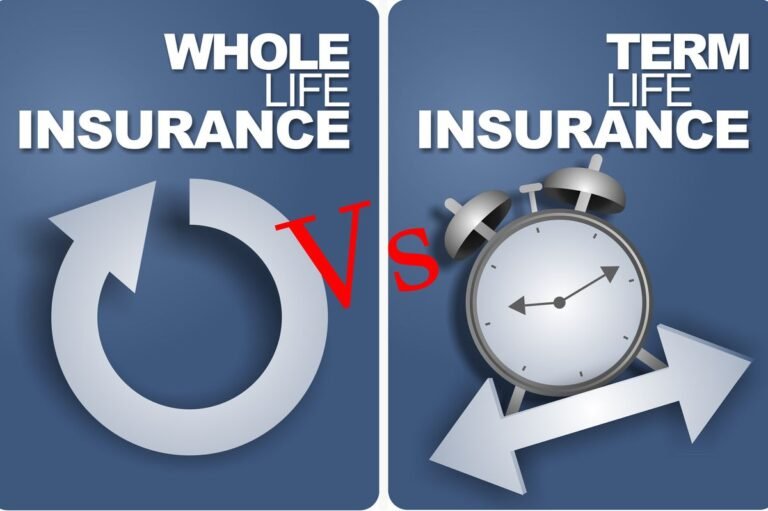
Term life insurance generally costs less than whole life insurance for a comparable death benefit because term insurance provides coverage for a specified period.
Whole life insurance is designed to provide permanent coverage and generally includes a cash value component.
Because of these additional features and the longer coverage period, whole life insurance usually has higher premiums.
Term Length
For term life insurance, the policy duration can affect the premium.
A longer term may cost more because the insurer is providing coverage for a longer period.
For example, a 30-year term policy may have a different premium from a 10-year term policy for the same applicant and death benefit.
However, the exact difference depends on age, health, insurer, coverage amount, and other underwriting factors.
Gender and Insurance Pricing
In some insurance markets, gender may be considered as one factor in life insurance underwriting and pricing, subject to applicable laws and regulations.
Rules vary by country and jurisdiction.
Applicants should compare actual quotes rather than assuming that one general pricing rule applies everywhere.
Family Medical History
Family medical history may be considered during underwriting.
Insurers may ask about certain serious diseases or conditions among close family members.
The purpose is to help assess potential long-term health risks.
Not every insurer asks the same questions, and the impact on premiums can vary.
Always answer health and family-history questions honestly.
Financial and Policy Information
Life insurance underwriting can also consider information related to the policy itself.
For example, the insurer may evaluate the requested coverage amount compared with your income and financial situation.
This can help ensure that the amount of insurance requested is reasonable for the applicant’s circumstances.
The exact requirements vary by insurer and policy.
Underwriting Class
Insurance companies may place applicants into different underwriting or risk categories.
These categories are used to determine premium levels.
An applicant with excellent health and lower-risk characteristics may qualify for a preferred pricing category.
Another applicant with higher health or lifestyle risks may receive a different classification.
The names of these categories vary between insurers.
Term Life Premiums
Term life insurance premiums are usually based on the risk of death during the selected term.
Several factors influence the price, including:
- Age
- Health
- Coverage amount
- Term length
- Tobacco use
- Occupation
- Lifestyle
- Underwriting category
Because term insurance does not usually include cash value, the pricing structure can be simpler than permanent life insurance.
Whole Life Premiums
Whole life insurance premiums reflect the cost of permanent coverage and the policy’s additional features.
Part of the premium may contribute to the policy’s cash value according to the policy terms.
Whole life policies can have guarantees, fees, cash value growth assumptions, and other features that affect their overall cost.
Because these policies are more complex, comparing the premium alone may not provide a complete picture.
Payment Frequency
The frequency of premium payments can also affect the total amount paid.
Some insurers may offer monthly, quarterly, semiannual, or annual payment options.
The total annual cost can vary depending on the payment schedule and insurer.
Review the payment terms before selecting a policy.
Riders Can Increase Premiums
Life insurance policies may offer optional features called riders.
Riders can provide additional benefits or modify the policy.
Examples may include:
- Waiver of premium
- Accelerated death benefit
- Child coverage
- Accidental death benefits
- Other optional protections
Adding riders can increase the premium.
Only choose riders that provide meaningful value for your financial needs.
Why Quotes Differ Between Insurers
It is common for different insurance companies to offer different premiums to the same person.
Each insurer has its own underwriting guidelines, pricing models, risk preferences, and product structures.
One company may offer a better rate for a particular health profile, while another may be more competitive for a different applicant.
This is why comparing multiple quotes can be useful.
How To Lower Life Insurance Premiums
There are several ways to potentially reduce life insurance costs.
Buying an appropriate amount of coverage rather than excessive coverage can help control premiums.
Maintaining a healthier lifestyle may also improve eligibility for more favorable rates over time, depending on the insurer’s underwriting process.
Choosing term insurance instead of permanent insurance may also reduce initial costs when temporary protection is the primary goal.
Comparing quotes from multiple insurers can help identify competitive pricing.
Avoid Hiding Information
One of the most important rules when applying for life insurance is to provide accurate information.
Do not hide medical conditions, tobacco use, occupation risks, or other information requested by the insurer.
Misrepresentation can create serious problems if the insurer later discovers inaccurate information.
The application should accurately reflect your circumstances.
Compare More Than the Premium
The lowest premium is not always the best policy.
When comparing life insurance, consider:
- Death benefit
- Coverage period
- Premium
- Policy guarantees
- Exclusions
- Riders
- Conversion options
- Cash value features
- Renewal terms
- Financial strength and service reputation of the insurer
A slightly more expensive policy may offer features that are more valuable for your specific needs.
Example of Premium Factors
Consider two people who both want $500,000 of term life insurance.
Person A is younger, does not use tobacco, has a favorable health profile, and works in a low-risk occupation.
Person B is older, uses tobacco, has certain health risks, and works in a higher-risk occupation.
Even though both applicants want the same coverage amount, their premiums could be very different.
This illustrates why life insurance pricing is based on individual risk rather than simply the amount of coverage.
Review Your Policy Over Time
Your insurance needs may change as your circumstances change.
You may get married, have children, buy a home, pay off debts, increase your income, or accumulate more savings.
These changes can affect how much life insurance you need.
However, changing your coverage may also affect your premium.
Review your policy regularly and compare your current coverage with your financial responsibilities.
Common Mistakes When Comparing Premiums
One common mistake is comparing only monthly payments.
Another is choosing a policy without understanding the term length.
Some applicants also fail to consider riders and additional costs.
Relying on a single quote can also lead to paying more than necessary.
Finally, applicants sometimes provide incomplete health information because they are concerned about premiums.
Accurate information and careful comparison are essential.
Final Thoughts
Life insurance premiums are calculated using multiple factors that help insurers estimate the risk and cost of providing coverage.
Age, health, tobacco use, lifestyle, occupation, hobbies, coverage amount, policy type, term length, underwriting category, and optional riders can all influence the price.
Term life insurance generally has lower premiums than whole life insurance because it provides coverage for a limited period and typically does not include a cash value component. Whole life insurance usually costs more because it provides permanent coverage and includes additional policy features.
The best way to find suitable coverage is to determine how much insurance you actually need, compare quotes from multiple insurers, understand the policy terms, and provide accurate information during the application process.
Do not choose life insurance based solely on the cheapest premium. Consider the complete policy, its benefits, limitations, long-term affordability, and how well it fits your financial goals.