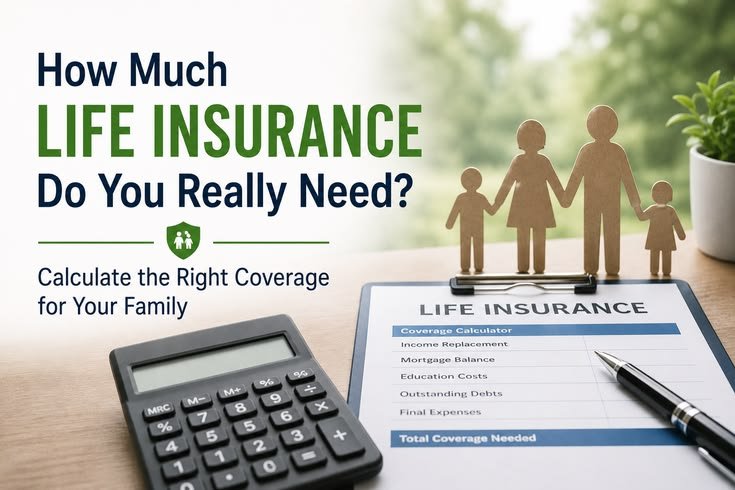




Choosing life insurance is an important financial decision, especially if other people depend on your income. Life insurance can provide financial support to beneficiaries after the insured person’s death, helping them manage expenses, debts, education costs, housing payments, or other financial obligations.
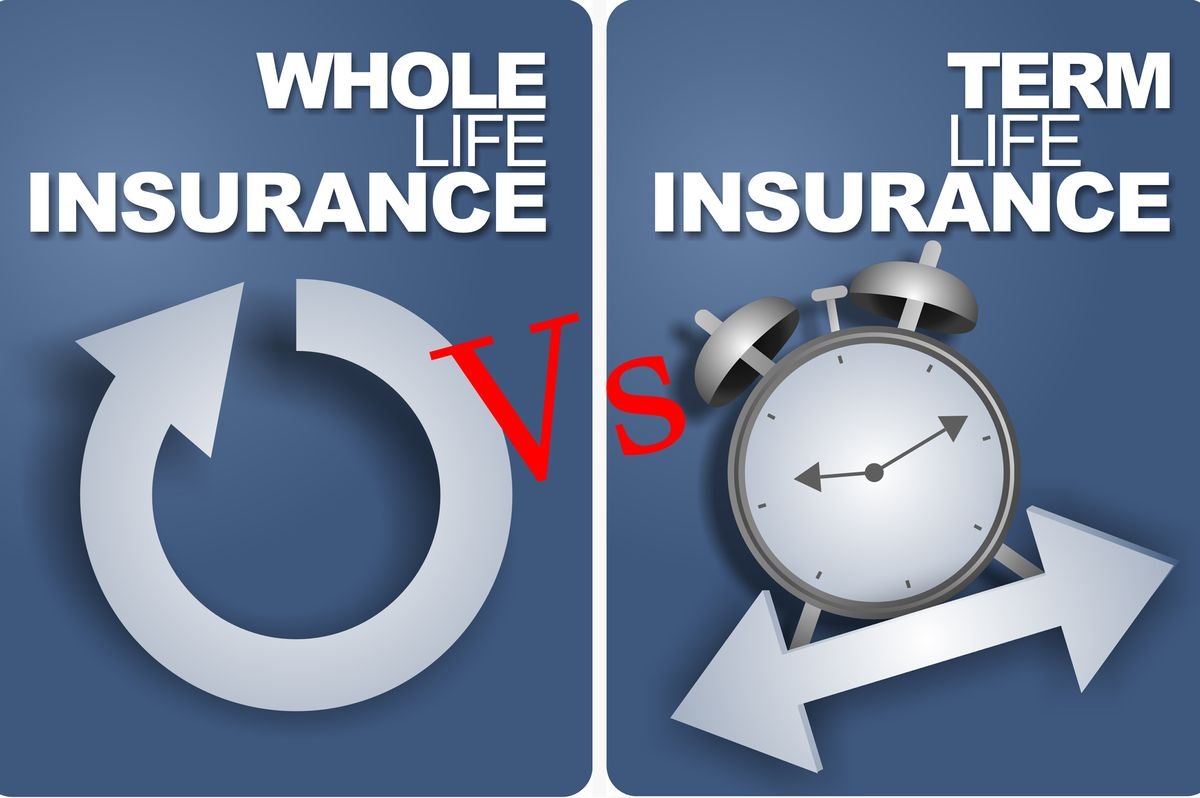
Two common types of life insurance are term life insurance and whole life insurance. Although both can provide a death benefit, they work differently and are designed for different financial goals.
Term life insurance generally provides coverage for a specific period, while whole life insurance is designed to provide coverage for the insured person’s lifetime as long as the policy requirements are met. Whole life insurance may also include a cash value component.
Understanding the differences between these policies can help you decide which type may better fit your financial needs.
What Is Term Life Insurance?
Term life insurance provides coverage for a specific period called the policy term.
Common policy terms can include 10, 20, or 30 years, although available options vary by insurer and market.
If the insured person dies during the covered term and the policy is active, the insurer generally pays the death benefit to the designated beneficiaries, subject to the policy’s terms and exclusions.
If the insured person survives the term, coverage typically ends unless the policy provides a renewal, conversion, or other option.
Term life insurance is often considered straightforward because it focuses primarily on providing a death benefit during a defined period.
What Is Whole Life Insurance?
Whole life insurance is a form of permanent life insurance designed to provide coverage throughout the insured person’s lifetime, provided the policy remains active according to its terms.
Unlike basic term insurance, whole life insurance generally combines a death benefit with a cash value component.
Part of the premium may contribute to the policy’s cash value, depending on the policy structure.
The cash value can grow over time according to the policy’s terms and may provide certain options while the policy is active.
Because whole life insurance includes additional features, it generally costs more than comparable term life insurance.
Main Difference Between Term and Whole Life
The biggest difference is the length and structure of coverage.
Term life insurance provides coverage for a specific period.
Whole life insurance is designed to provide lifelong coverage.
Term insurance generally focuses on temporary financial protection, while whole life insurance combines permanent protection with a cash value feature.
The right option depends on why you need life insurance and how much you can comfortably spend.
Comparing Premium Costs
Premiums are one of the biggest differences between term and whole life insurance.
Term life insurance usually has lower initial premiums for a similar death benefit because it provides coverage for a limited period and generally does not include a cash value component.
Whole life insurance generally costs more because it is designed to provide lifetime coverage and may accumulate cash value.
For someone primarily interested in affordable income protection, term insurance may be more practical.
Someone looking for permanent coverage and additional policy features may consider whole life insurance.
How Term Life Insurance Works
Suppose a person purchases a 20-year term life insurance policy with a specified death benefit.
If the policy remains active and the insured person dies during those 20 years, the insurer generally pays the death benefit to the named beneficiaries.
If the insured survives the 20-year term, the policy may expire unless it includes renewal or conversion options.
The policyholder should review these options before the policy expires.
Some term policies can be renewed, but renewal premiums may increase based on the policy terms and the insured person’s age.
How Whole Life Insurance Works
Whole life insurance is designed to remain in force for the insured person’s lifetime if required premiums are paid and the policy conditions are satisfied.
The policy generally includes a death benefit and cash value.
As the policy continues, the cash value may grow according to the insurer’s policy terms.
The policyholder may have options involving the cash value, but withdrawals, loans, fees, and other actions can affect the policy’s benefits and performance.
These details should be understood before using the cash value.
Cash Value Feature
Cash value is one of the major differences between term and whole life insurance.
Term life insurance generally does not build cash value.
Whole life insurance generally includes a cash value component.
The cash value may provide financial flexibility during the policyholder’s lifetime, subject to the policy terms.
However, cash value should not be treated as free money. Accessing it may reduce the death benefit, create charges, affect policy performance, or have tax consequences depending on the circumstances.
Always review the policy terms before taking money from a permanent life insurance policy.
Which Is More Affordable?
Term life insurance is generally more affordable at the beginning for a similar death benefit.
This can make it attractive to young families, people with mortgages, parents with dependent children, and individuals who want significant coverage while keeping premiums manageable.
Whole life insurance generally requires higher premiums.
The higher cost may make sense for people who specifically want permanent coverage and the additional features associated with whole life insurance.
Affordability should always be considered alongside the amount of coverage needed.
Coverage Duration
Term insurance is temporary.
You select a policy period, and coverage applies during that period as long as the policy remains active.
Whole life insurance is designed to last for life.
This difference is important when deciding how long your financial responsibilities are expected to continue.
For example, someone may want coverage until children become financially independent or until a mortgage is paid off. In such cases, term insurance may match the financial need.
Someone who wants a death benefit regardless of when death occurs may consider permanent insurance.
Financial Protection for Families
Both types of life insurance can provide financial support to beneficiaries.
The death benefit can potentially help beneficiaries manage:
- Mortgage payments
- Household expenses
- Education costs
- Personal debts
- Funeral expenses
- Business obligations
- Long-term financial needs
The appropriate policy depends on the amount and duration of financial protection required.
Term Insurance for Income Replacement
Term life insurance is often suitable for income replacement needs.
If a household depends on one person’s income, life insurance can provide financial protection if that person dies during the policy term.
For example, parents with young children may purchase a term policy designed to provide coverage until the children become financially independent.
The policy duration can be matched to the expected financial responsibility.
Whole Life for Permanent Financial Needs
Whole life insurance may be considered when there is a long-term need for life insurance.
Some people may want permanent coverage for estate planning, final expenses, business planning, or other financial objectives.
The suitability depends on individual circumstances and the specific policy.
Because whole life insurance is more complex than term insurance, it is important to understand the premiums, cash value, guarantees, fees, and other conditions before purchasing it.
Flexibility and Policy Options
Term policies may offer options such as renewal or conversion to permanent insurance, depending on the policy.
A conversion feature may allow the policyholder to change eligible term coverage into a permanent policy without repeating certain underwriting requirements.
Whole life insurance may offer options related to cash value, policy loans, dividends where applicable, or other features depending on the insurer and policy.
The availability of these options varies, so always check the actual contract.
Medical Underwriting
Both term and whole life insurance can involve underwriting.
The insurer may consider factors such as age, health history, lifestyle, occupation, coverage amount, and other relevant information.
Underwriting requirements vary between insurers and policies.
Generally, younger and healthier applicants may qualify for lower premiums than older applicants with higher insurance risks.
Providing accurate information during the application process is essential.
Term Life Insurance Advantages
Term life insurance has several potential advantages.
First, it is generally easier to understand because it provides coverage for a defined period.
Second, premiums are often lower than comparable whole life insurance premiums.
Third, it can provide substantial death benefit protection for families and dependents.
Fourth, the policy period can be matched with specific financial responsibilities.
For many households, these features make term insurance an efficient way to protect income during important financial years.
Term Life Insurance Disadvantages
Term insurance also has limitations.
Coverage generally ends after the policy term unless renewal or another option applies.
The policy typically does not build cash value.
Renewing coverage later may result in significantly higher premiums.
If your financial needs continue after the term ends, you may need another policy or a conversion option.
Whole Life Insurance Advantages
Whole life insurance offers several potential benefits.
It is designed to provide lifetime coverage.
It generally includes a cash value component.
Premiums may remain structured according to the policy terms rather than changing solely because the insured person gets older.
Permanent coverage can also be useful for certain long-term financial planning goals.
However, these benefits come with higher costs and greater complexity.
Whole Life Insurance Disadvantages
The main disadvantage is cost.
Whole life insurance can require substantially higher premiums than term insurance for a comparable death benefit.
The cash value component also makes the policy more complicated.
Policyholders need to understand fees, guarantees, cash value growth, surrender terms, loans, and other conditions.
Buying a permanent policy without understanding these features can lead to financial problems later.
Which One Should You Choose?
There is no universal answer.
Term life insurance may be more appropriate if your primary goal is affordable financial protection for a specific period.
Whole life insurance may be more appropriate if you have a long-term need for permanent coverage and can comfortably afford its premiums.
Consider your income, dependents, debts, savings, financial goals, and expected insurance needs.
Questions To Ask Before Buying
Before purchasing life insurance, consider:
- How much coverage does my family need?
- How long should the coverage last?
- Can I comfortably afford the premium?
- Do I need permanent coverage?
- Do I need a cash value component?
- What happens when a term policy expires?
- Can the term policy be converted?
- What are the policy fees?
- How does the cash value work?
- What happens if I stop paying premiums?
Clear answers to these questions can help you make a better decision.
Final Thoughts
Term life insurance and whole life insurance can both provide valuable financial protection, but they serve different purposes.
Term life insurance generally provides affordable coverage for a specific period and can be useful for income replacement, family protection, mortgage obligations, and other temporary financial responsibilities.
Whole life insurance is designed to provide permanent coverage and generally includes a cash value component. It may be useful for people with long-term insurance needs and specific financial planning goals.
Before choosing either option, compare the death benefit, premium, coverage period, policy features, exclusions, cash value rules, and long-term costs.
The most suitable life insurance policy is the one that matches your financial responsibilities, protection needs, and ability to maintain the premiums over time.